.png)
Why Hair Sheds More in the Fall, and What Actually Helps Your Scalp

Every year around September and October, people start noticing more hair in the brush, more strands circling the shower drain, more coming loose when they run their fingers through. It can be unsettling, especially when it seems to happen all at once. In most cases, though, seasonal fall hair shedding is a normal, temporary pattern, not the start of permanent hair loss. Your scalp runs on cycles, and one of those cycles tends to peak as summer ends. Here is what is actually happening, how to tell ordinary seasonal shedding apart from something worth a doctor's visit, and what genuinely supports your scalp while it passes.
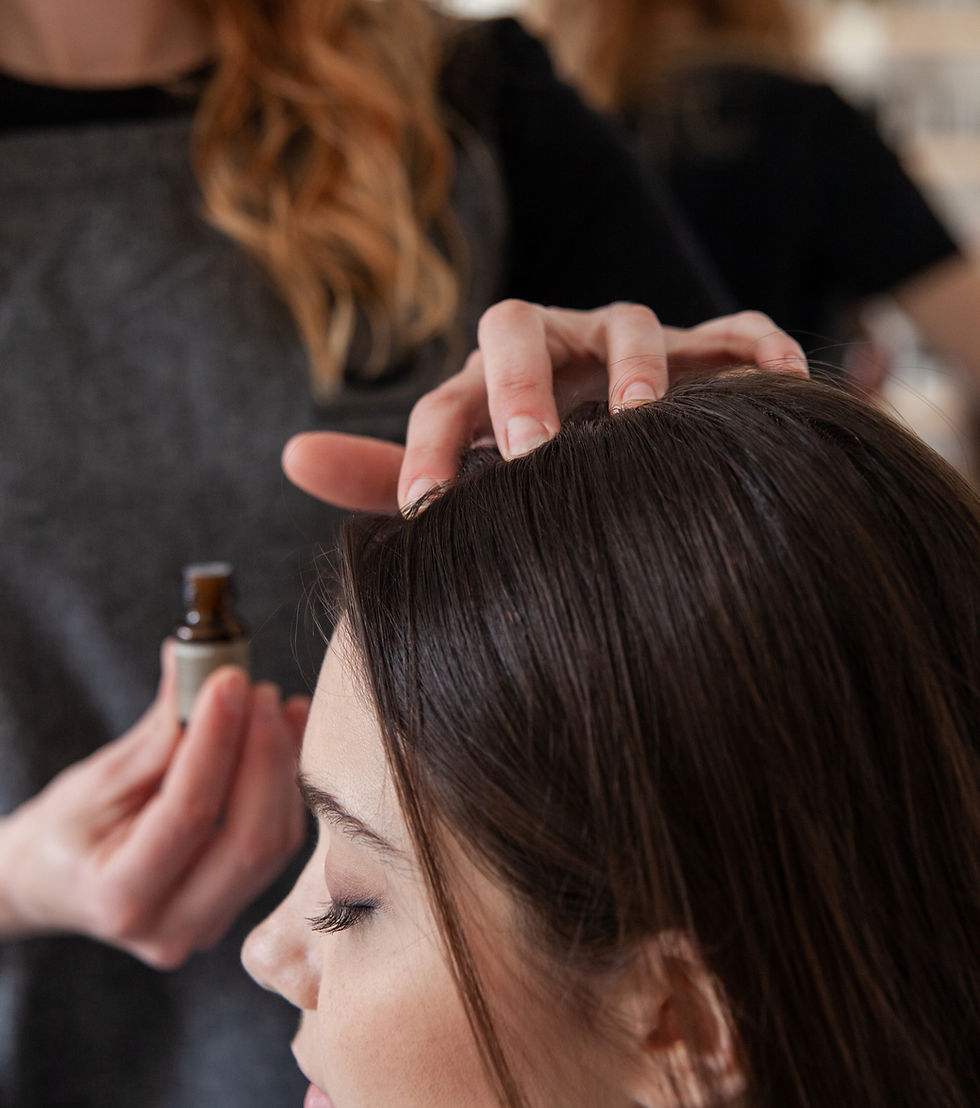
WHAT SEASONAL HAIR SHEDDING ACTUALLY IS
Every hair on your head is on its own timeline. At any given moment, most of your follicles are actively growing, a smaller share are resting, and a smaller share still are releasing an old strand to make room for a new one. Researchers who have tracked this across full years consistently find that the resting-and-releasing share climbs in late summer, which means more strands reach the end of their cycle and let go a few weeks later, in the fall. That is why September and October so often feel like the heavy months. The hair is not breaking, and the follicle is not dying. It is finishing a cycle it was always going to finish, just clustered into a season instead of spread evenly across the year.
IS IT SHEDDING, OR IS IT LOSS?
Shedding means whole strands releasing from the root, usually with a tiny pale bulb on the end. It is diffuse, meaning it comes from all over the scalp fairly evenly, and it settles down on its own within a couple of months. Hair loss is a different thing: it tends to show up as a widening part, a receding hairline, or thinning concentrated in one area, and it does not resolve by itself. Seasonal shedding is the first kind. If what you are seeing looks more like the gradual, one-area thinning of the second kind, our earlier post on thinning hair and scalp health goes deeper, and it is worth a conversation with a dermatologist.
WHY FLORIDA ADDS ITS OWN LAYER
A Lakeland summer is hard on a scalp in ways that can make a normal shedding season feel heavier. Months of strong UV exposure, chlorine and lake water, salt, sweat, daily sunscreen along the hairline, and constant swings between outdoor humidity and indoor air conditioning all leave residue behind and stress the skin on top of your head. None of that directly drives the seasonal cycle, but a scalp that is coated, dehydrated, or irritated is not in a good position to support the fresh growth that is supposed to follow a shedding phase. Clearing the summer off your scalp and rebalancing it is one of the few things genuinely within your control here.
WHAT ACTUALLY HELPS
Support the scalp, not just the hair
The new hairs that replace what you shed grow out of the same follicles you already have, so the condition of the scalp skin around those follicles matters. A calm, clean, well-circulated scalp is a better environment for growth than one buried under a summer's worth of buildup and sunscreen. In practice that means a real cleanse that lifts residue without stripping, gentle stimulation to bring blood flow to the area, and leaving the harsh, tightening products alone during a stretch when the scalp is already under stress.
Do not panic-treat it
The most common mistake during a shedding season is reacting with a pile of new products, aggressive scrubbing, or a sudden switch to a medicated shampoo meant for a condition you do not actually have. That tends to trade a temporary, self-resolving pattern for real irritation. Seasonal shedding does not need to be fought. It needs the scalp underneath it kept in good shape while it runs its course.
Know when to get it checked
See a dermatologist if the shedding is still heavy after about three months, if you can see scalp through the hair where you could not before, if there is redness, scaling, or an itch that will not settle, or if it started alongside a major stressor, an illness, a medication change, or a big shift in diet. Those are not seasonal-shedding signs, and they deserve a professional look rather than a guess.
HOW A LUSTRE RITUAL FITS IN
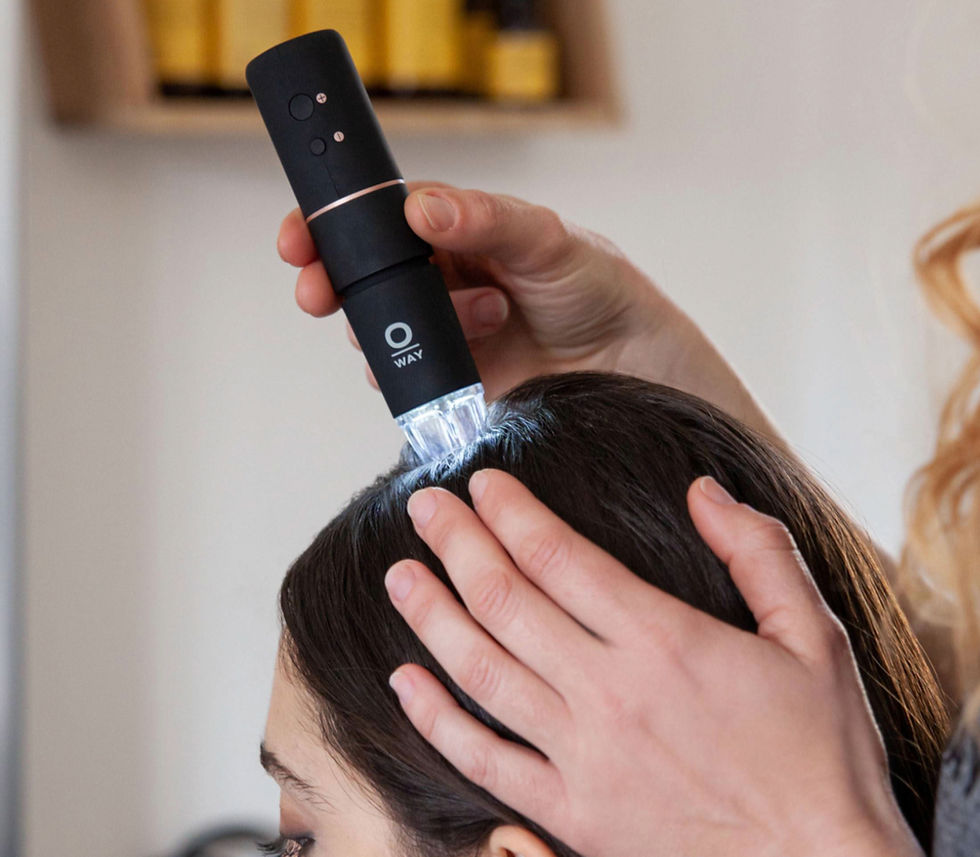
A LUSTRE ritual is not a hair-loss treatment and does not claim to be. What it does is give your scalp a genuine reset at the point in the year it tends to need one most. Every ritual starts with a real scalp analysis from our licensed specialists, so the approach is matched to what is actually on your scalp: buildup, dryness, sun stress, or some combination of all three. From there it clears residue with certified organic OWay products, brings circulation to the area through sustained massage, and finishes calm rather than stripped. Think of it as clearing the ground so the growth phase that follows a shed has a better place to happen.
COMMON QUESTIONS ABOUT FALL HAIR SHEDDING
Is it normal to shed more hair in the fall?
Yes. Studies tracking hair cycles across full years find that the share of resting follicles rises in late summer, so more strands reach the end of their cycle and release in the weeks that follow. For most people, the fall is simply the heaviest shedding stretch of an otherwise normal year.
How much shedding is too much?
Losing somewhere in the range of 50 to 150 strands a day is typical, and a seasonal stretch can push toward the higher end of that for a few weeks. What matters more than the count is whether it is easing after two to three months, and whether your part or hairline actually looks different. If it is not easing, or it does look different, see a dermatologist.
Will a head spa stop hair shedding?
No, and any service that promises to should be treated with skepticism. Seasonal shedding resolves on its own. What a ritual can do is keep the scalp clean, calm, and well-circulated so the follicles are in a good position for the regrowth that follows.
When should I see a doctor instead?
If heavy shedding lasts beyond about three months, if you see visible scalp where you did not before, if there is persistent redness, scaling, or itch, or if it began with a major health or life change, those point away from simple seasonal shedding and toward something a dermatologist should evaluate.
If you are seeing more hair in the brush this month, take a breath first. Fall hair shedding is usually your scalp finishing a cycle it was always going to finish. The useful move is not to panic-treat it. It is to keep the scalp underneath in good shape while it passes, and to get it checked if it does not. A scalp analysis is a straightforward place to start.
Book your ritual at lustreheadspa.com. Appointment-only. 1835 E Edgewood Drive, Lakeland, FL 33803.


Comments