.png)
Thinning Hair and Scalp Health: What Actually Supports a Healthy Scalp Environment


Thinning hair is one of the most common concerns people bring to a scalp consultation — and one of the most misunderstood. It's a topic surrounded by miracle-product marketing on one side and medical alarm on the other, with very little grounded, honest information in between.
Here's an honest look at where scalp health fits into the picture, and where it doesn't.
WHAT SCALP HEALTH CAN AND CAN'T DO
Let's be direct about this: professional scalp care is not a medical treatment for hair loss, and any provider claiming otherwise should be regarded with skepticism. Conditions like androgenetic alopecia, hormonal hair loss, and other medical causes of thinning require evaluation by a dermatologist or physician — that's not something a head spa session replaces.
What scalp health does influence is the environment your hair is growing from. A follicle sitting in a scalp environment burdened by buildup, inflammation, or poor circulation is working against a disadvantage, regardless of the underlying cause of thinning. Improving that environment doesn't cure a medical condition, but it removes obstacles that can compound the problem.
THE CONNECTION BETWEEN SCALP CONDITION AND HAIR GROWTH ENVIRONMENT
Follicles are living structures that depend on circulation and a clear, unobstructed environment to function normally. A few specific scalp conditions can compound thinning concerns:
Buildup at the follicle opening. Layered product residue and mineral deposits can physically obstruct the follicle environment over time.
Poor circulation. Reduced blood flow at the scalp means less delivery of the nutrients follicles depend on for the growth cycle.
Chronic inflammation. Ongoing scalp irritation — from harsh products, unaddressed conditions, or environmental stress — can disrupt the follicle's normal cycle.
None of these are the root cause of most medical hair loss conditions, but all of them are addressable, and addressing them supports the healthiest possible environment for whatever hair growth capacity someone has.
WHAT A PROFESSIONAL SCALP TREATMENT REALISTICALLY OFFERS
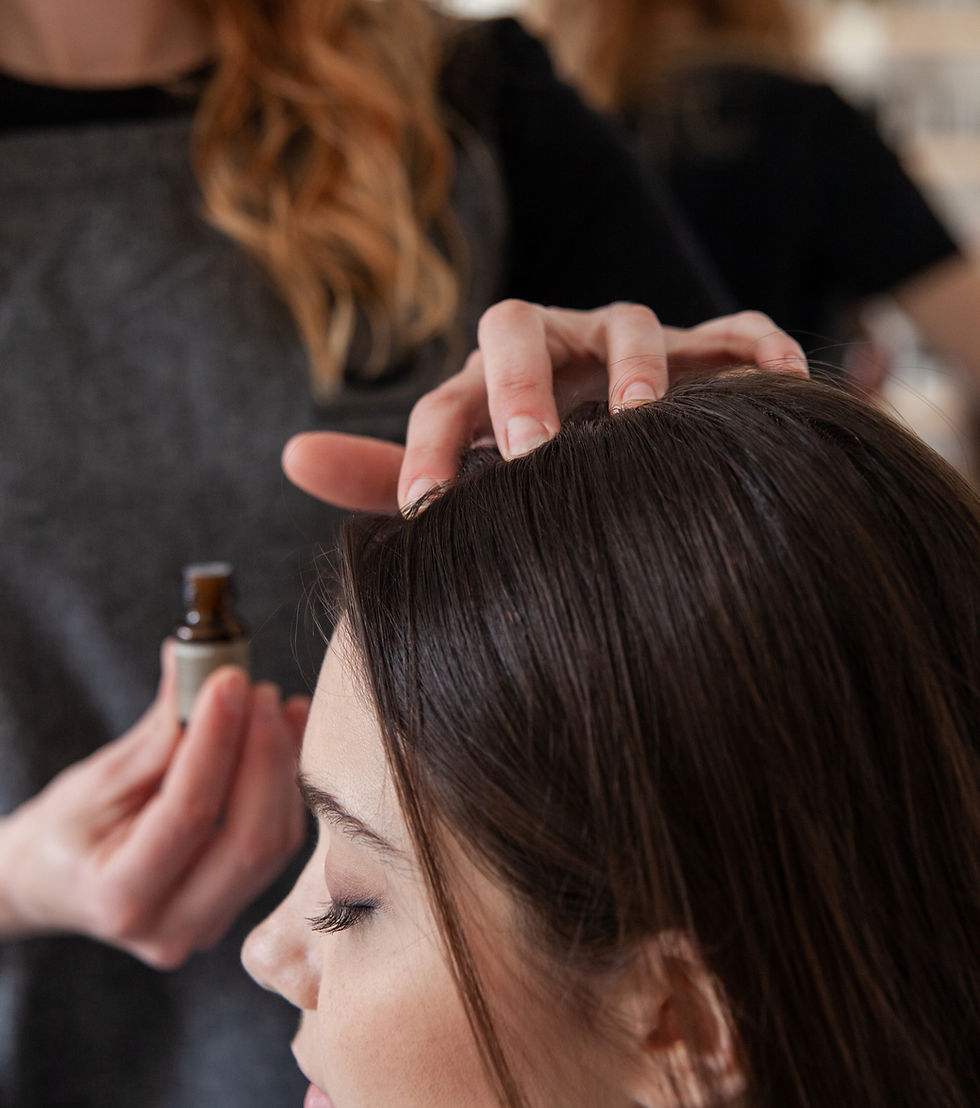
A dedicated head spa session can meaningfully improve the scalp environment: clearing buildup that's accumulated beyond what home washing reaches, supporting circulation through massage and Waterfall Therapy, and reducing the product and mineral burden that contributes to scalp inflammation.
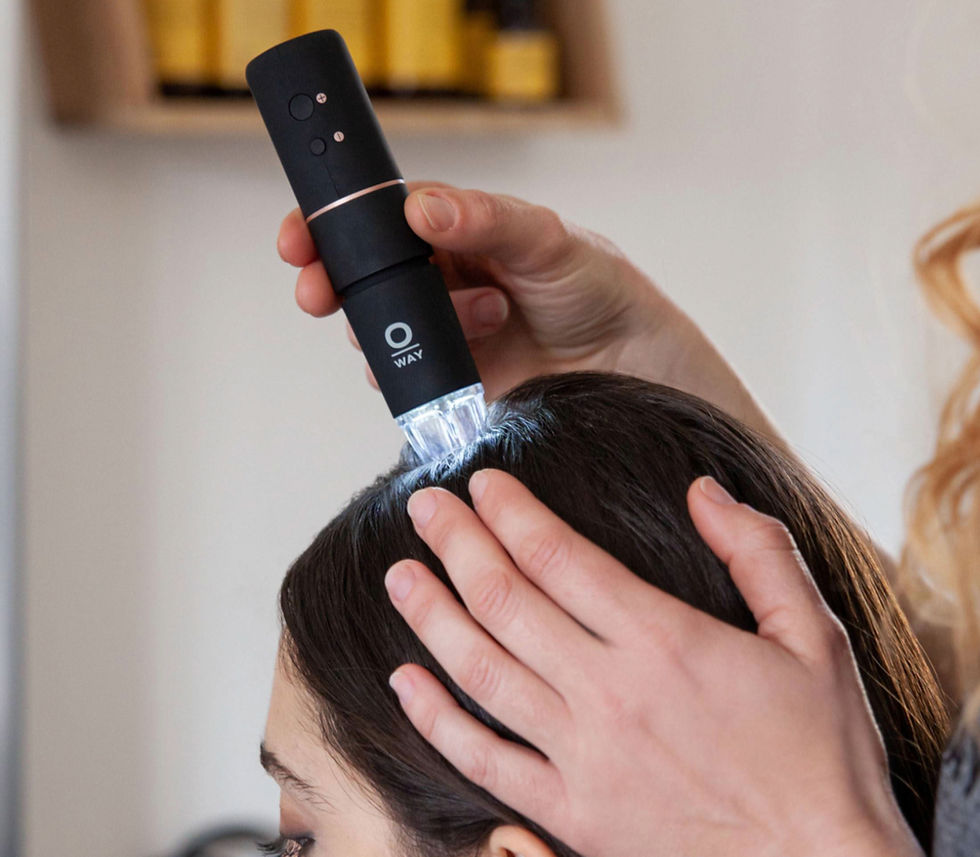
At LUSTRE, this starts with a scalp analysis from our licensed specialists — assessing the specific condition of your scalp rather than assuming a generic cause. The session includes targeted OWay treatment and closes with the Flowerfall pour, which restores scalp pH and supports the follicle environment after treatment.
What we don't do is promise hair regrowth or diagnose the cause of thinning — that's outside the scope of scalp care and belongs with a medical professional. What we do offer is a scalp environment given the best possible chance to support whatever growth it's capable of.
WHEN TO SEE A DERMATOLOGIST INSTEAD OF (OR ALONGSIDE) A HEAD SPA
If thinning is sudden, patchy, accompanied by scalp pain or visible irritation, or connected to a recent health change, a dermatologist should be the first stop. Scalp care and medical evaluation aren't mutually exclusive — many clients pursue both, using professional scalp treatments to support the environment while medical treatment addresses the underlying cause.
QUESTIONS ABOUT THINNING HAIR AND SCALP CARE
Can a head spa treatment regrow my hair?
No professional scalp service can promise hair regrowth, and any provider claiming otherwise should be questioned. What scalp treatment can do is improve the follicle environment, which supports whatever growth capacity is present.
Should I see a dermatologist before or instead of getting a scalp treatment?
If your thinning is sudden, patchy, or accompanied by pain or irritation, see a dermatologist first. For general scalp health support alongside a diagnosed condition, both can be part of the same care approach.
Does scalp buildup actually contribute to thinning?
It can be a contributing factor by obstructing the follicle environment, though it is rarely the sole cause of significant hair loss. Clearing buildup supports a healthier environment regardless of the underlying cause.
How often should I get a scalp treatment if I'm concerned about thinning?
Monthly sessions are a common cadence for clients focused on ongoing scalp environment support. Our LUSTRE Membership ($99/month) is built around this rhythm.
Your scalp's environment matters, whatever is driving your hair's thinning. We can't diagnose the cause — but we can help make sure the environment isn't working against you.
Book at lustreheadspa.com. Appointment-only. 1835 E Edgewood Drive, Lakeland, FL 33803.

Comments