.png)
What "Certified Organic" Actually Means: A Look Inside LUSTRE's OWay Products

"Certified organic" shows up on a lot of hair and skin products, and most of the time it's doing more marketing work than actual disclosure. It's worth knowing what the term is supposed to mean before taking it at face value, and why it's part of the reason LUSTRE uses one product line exclusively.

"NATURAL" AND "CLEAN" AREN'T REGULATED TERMS
Words like "natural," "clean," and "green" have no legal definition in the beauty industry. A brand can print any of them on a label without third-party verification of anything. "Certified organic" is different specifically because it requires an actual certifying body to verify the product against a defined standard, ingredient sourcing, processing methods, and what can and can't be included, before that label is allowed on the bottle.
WHAT REAL ORGANIC CERTIFICATION ACTUALLY REQUIRES
A genuinely certified organic product has to meet specific thresholds for organically grown ingredients, avoid a list of prohibited synthetic additives, and go through audits to keep that certification current. It's not a one-time claim, it's an ongoing standard the brand has to keep meeting. That's a meaningfully higher bar than a label simply choosing to call itself "natural."
WHAT "BIODYNAMIC" ADDS ON TOP OF ORGANIC
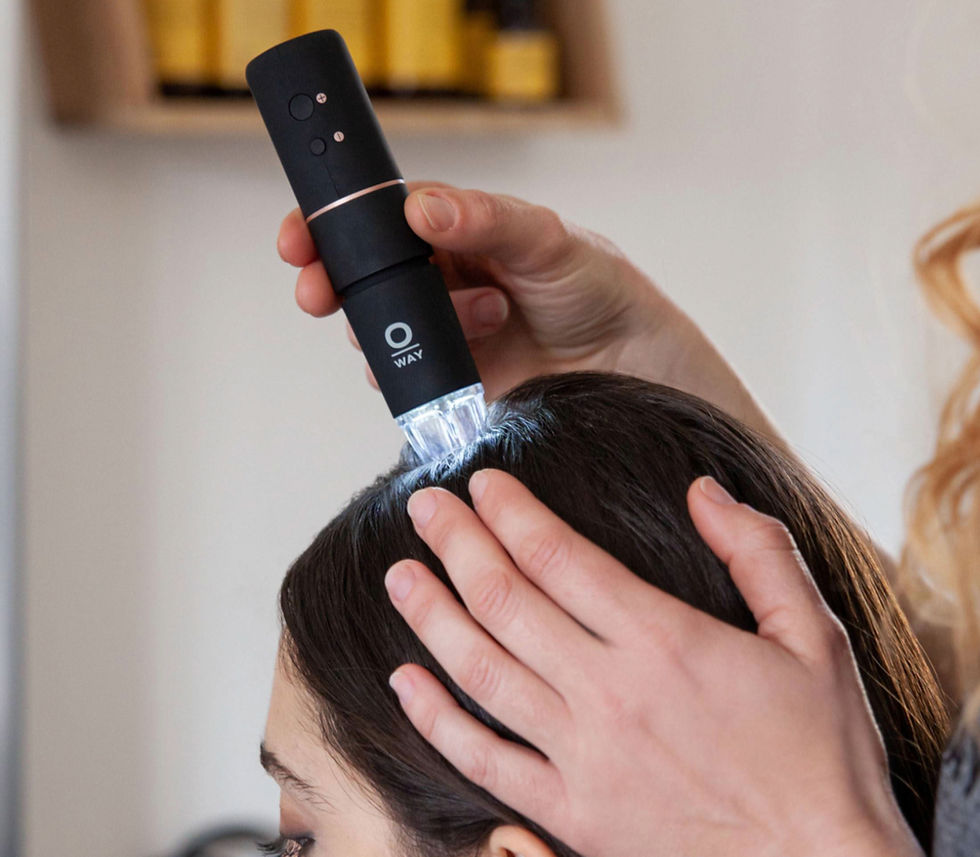
Biodynamic farming goes a step further than organic. It treats the farm as a single, self-sustaining ecosystem, working with natural growing cycles and avoiding synthetic inputs entirely, rather than certifying individual ingredients grown in isolation. OWay, the product line used in every LUSTRE ritual, farms many of its own ingredients biodynamically at its own farm in Italy, "farm-to-chair" is their own way of describing that the ingredients are grown, harvested, and formulated under one roof rather than sourced piecemeal from wherever is cheapest.
WHY THIS ACTUALLY MATTERS FOR YOUR SCALP SPECIFICALLY
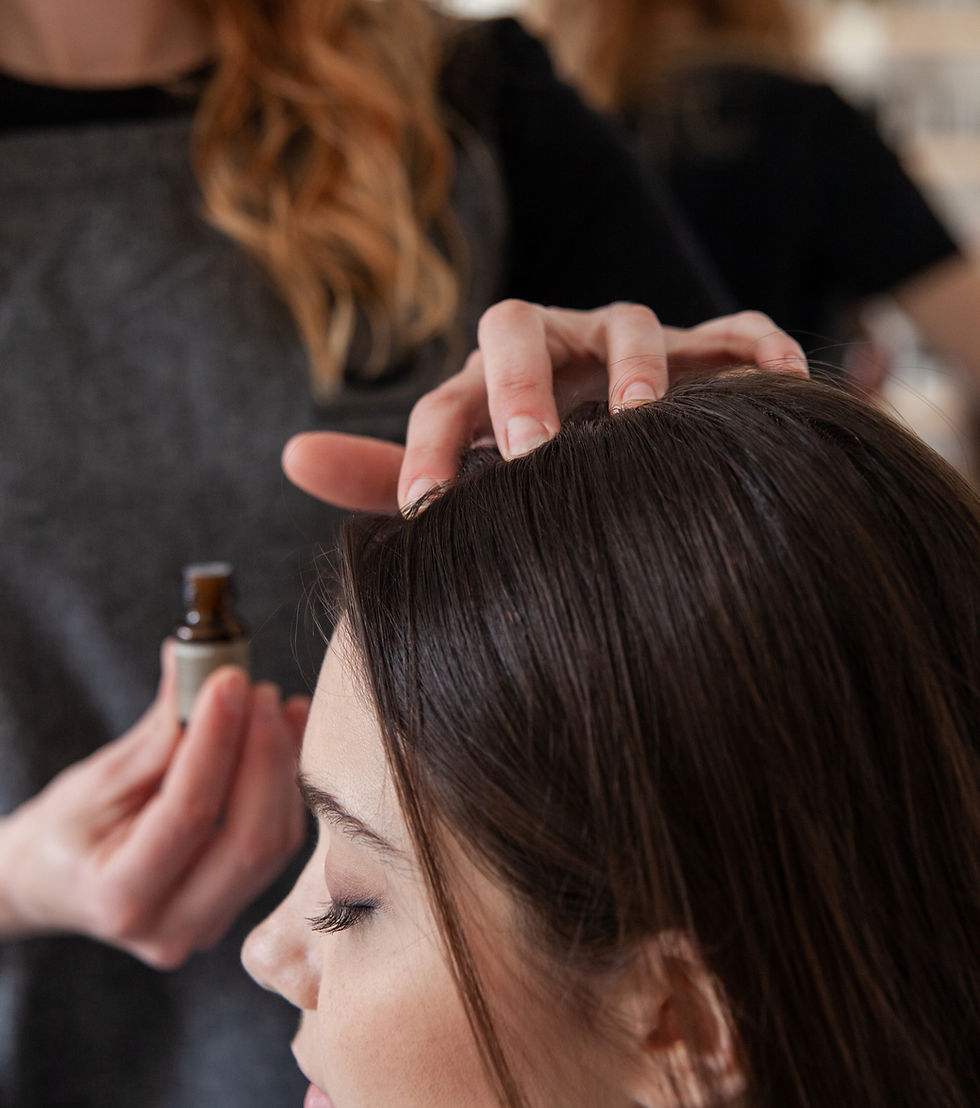
Your scalp isn't just another patch of skin, it's more permeable in places and stays in prolonged contact with whatever's applied to it during a treatment. For scalps that react to synthetic fragrance, harsh preservatives, or heavily processed ingredients, a genuinely organic, biodynamic formulation can matter more than it would on, say, hand lotion. That's not a claim that organic products fix every scalp issue, it's simply that fewer synthetic additives means fewer potential triggers for a sensitive or reactive scalp.
WHY LUSTRE USES OWAY EXCLUSIVELY
LUSTRE doesn't rotate between product lines or offer a cheaper alternative alongside a premium one. Every guest, every ritual, uses the same certified organic, biodynamic OWay products, not because it's the only option that exists, but because consistency is part of what a dedicated head spa is supposed to mean. A guest booking any ritual knows exactly what's touching their scalp every time, not a different formulation depending on which specialist happens to be working that day.
WHAT TO ACTUALLY LOOK FOR IF THIS MATTERS TO YOU
If ingredient sourcing is something you care about generally, not just at LUSTRE, a few things are worth checking on any product: an actual third-party certification logo (not just the word "organic" printed on the front), a reasonably short ingredient list you can read without a chemistry background, and clear disclosure of fragrance sourcing rather than the vague catch-all "fragrance" on the label. None of those alone guarantees quality, but together they're a far better signal than marketing language.
COMMON ORGANIC-SOUNDING TERMS THAT AREN'T ACTUALLY CERTIFICATIONS
Beyond "natural" and "clean," a handful of other terms show up constantly on beauty packaging without carrying any enforced meaning. "Non-toxic" has no regulatory definition in cosmetics, it's a claim, not a standard. "Green" is the same, a marketing choice rather than a verified attribute. Even "vegan" and "cruelty-free," while genuinely meaningful claims in their own right, are not the same thing as organic, a product can be entirely vegan and cruelty-free while containing zero organically grown ingredients. None of these terms are inherently dishonest, but none of them require the ingredient sourcing and processing audits that actual organic certification does, which is exactly why they're worth telling apart rather than treating as interchangeable.
HOW TO VERIFY A CERTIFICATION CLAIM YOURSELF
The most reliable check is simple: a genuinely certified organic product will name its certifying body somewhere on the packaging or the brand's own site, not just print the word "organic" in large type. If a brand makes the claim but can't point to who actually certified it, that's worth treating as a marketing claim rather than a verified one. It takes about thirty seconds to look up, and it's the single most useful habit for cutting through label language in general, not just for hair care.
COMMON QUESTIONS ABOUT CERTIFIED ORGANIC HAIR CARE
Is "natural" the same thing as "certified organic"?
No. "Natural" has no legal definition in the beauty industry and can be printed on a label without any third-party verification. "Certified organic" requires an actual certifying body to verify ingredient sourcing and processing against a defined, audited standard.
What does "biodynamic" mean beyond organic?
Biodynamic farming treats the entire farm as one self-sustaining ecosystem, working with natural growing cycles rather than certifying individual ingredients in isolation. It's a step beyond standard organic certification, not a separate marketing term.
Does using certified organic products actually make a difference for scalp health?
It can matter for scalps that react to synthetic fragrance or harsh preservatives, since fewer synthetic additives means fewer potential triggers. It isn't a guarantee against every scalp issue, but ingredient quality is a legitimate factor in scalp sensitivity.
Why does LUSTRE only use OWay instead of multiple product lines?
Consistency. Every guest gets the same certified organic, biodynamic formulation on every visit, rather than a different product depending on the day or the specialist. That consistency is part of what LUSTRE considers core to being a dedicated head spa.
The short version: "certified organic" is a real, audited standard, not just marketing language, and it's worth knowing the difference before assuming every "natural"-labeled product on a shelf means the same thing.
Every LUSTRE ritual uses certified organic, biodynamic OWay products exclusively, no substitutions. Book at lustreheadspa.com. Appointment-only. 1835 E Edgewood Drive, Lakeland, FL 33803.

Comments